



Why mission-driven organizations build stronger cultures through clear roles, focused expectations, and transparent people systems—not perks alone.
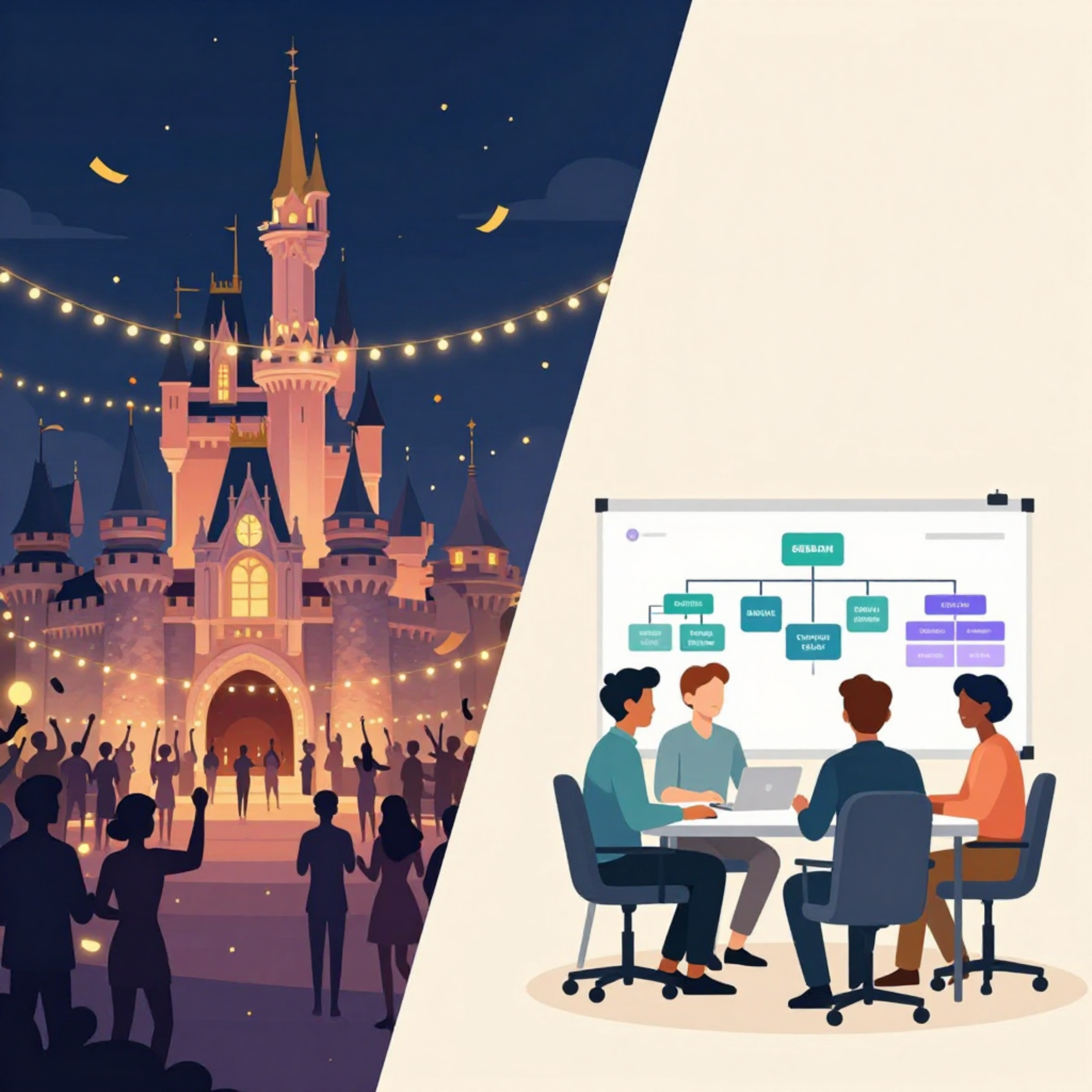
Earlier in my career in corporate HR, there were moments that felt almost limitless. One “Best Places to Work” application turned into an awards trip to New Orleans, an extravagant dinner, and a $300 bottle of wine. Holiday celebrations meant renting out a castle (yes, an actual castle) and hosting casino nights. There were many ways to signal appreciation, celebrate staff, and create memorable experiences.
Most mission-driven organizations do not have those options. And even if they did, those kinds of gestures would not solve the people challenges leaders are facing right now. Budgets are tight, teams are lean, and vacancies can remain open for months. In that context, culture cannot depend on occasional moments of celebration. It has to be built into the daily experience of work.
That is the castle party myth: the idea that employee experience is mainly about perks, events, or occasional expressions of appreciation. Those things may be nice, but they are not what most people are asking for.
Why Perks Don’t Fix Broken Systems
What staff want and what they repeatedly say in discovery conversations are much more practical. They want to know what they are supposed to be doing. They want to know how success is measured. They want to trust that pay and promotion decisions are grounded in something clearer than politics, personality, or who advocates the loudest.
This is where the “castle party myth” breaks down. Perks can be meaningful, but they cannot carry the weight of broken people systems. If roles are unclear, staff absorb invisible labor. If priorities keep shifting, managers struggle to coach consistently. If compensation practices are opaque, employees start to assume that advancement depends more on relationships than on contribution. Those are not isolated frustrations; they are structural signals.
What Staff Actually Want
When organizations ask employees what would improve their experience, the answers are often much more practical than leaders expect. People want to know what they are supposed to be doing. They want to understand how success is measured. They want a credible path for growth. They want to trust that pay and promotion decisions are grounded in an honest framework they can understand.
That may sound basic, but it is not small. Clear expectations, fair growth pathways, and transparent compensation are some of the most important ways an organization operationalizes its values. Edgility Talent Partners’ work is grounded in helping mission-driven organizations build equitable, transparent, and sustainable people systems, as these systems shape what staff experience every day.
Where Culture Really Gets Built
In resource-constrained organizations, culture is built into the ordinary systems that determine whether work feels coherent or chaotic.
That includes role design. When jobs evolve around the strengths or availability of a particular person rather than the needs of the organization, burnout becomes more likely, and equity becomes harder to maintain. One employee quietly becomes indispensable. Another takes on responsibilities no one ever formally assigned. A third is evaluated against expectations that were never clearly articulated. Over time, the organization starts to rely on heroics rather than structure.
It also includes performance management. We have seen organizations with more strategic priorities than employees. In those environments, staff are not failing because they lack commitment. They often fail because the organization has not made the hard choices required for focus. Clearer priorities and competencies help managers coach more consistently and help employees spend less time guessing where to direct their energy.
And it includes compensation. Trust erodes quickly when staff cannot get a clear answer to basic questions: Why am I paid what I’m paid? How are salary decisions made? What does growth in this role look like? What does it take to be promoted? A thoughtful compensation philosophy and clear pay structure do more than organize salary decisions. They communicate fairness, consistency, and respect
The Equity Lens Leaders Can’t Afford to Skip
Without structure, decisions often default to informal influence. The people who speak up first, advocate most confidently, or sit closest to leadership may end up with clearer opportunities, more flexibility, or better access to advancement. That is one reason equity cannot sit off to the side as a separate initiative. It has to be built into the design of roles, performance expectations, promotion criteria, and compensation systems.
This is especially important in mission-driven organizations, where leaders often care deeply about equity but are operating with limited time and capacity. Good intentions matter, but they are not enough. Staff experience equity through consistent processes, transparent communication, and systems that reduce ambiguity rather than increasing it.
A More Meaningful Investment
For many leaders, this can be a relieving truth. Building a stronger culture does not always start with a bigger budget. Often, it starts with a clearer design.
That might mean:
- Reviewing whether job descriptions reflect the work people are actually doing.
- Narrowing organizational priorities to a manageable set and aligning goals around them.
- Writing down the principles that guide compensation and making them easier for managers to explain.
- Clarifying what promotion readiness looks like so growth does not depend on unwritten rules or your relationship with your manager.
These are not flashy moves. They are the kind of regular systems work that makes an organization feel less chaotic and more trustworthy over time. And for many employees, that matters far more than a one-night celebration ever could.
Where to Start
A useful starting point is to ask yourself: Where is confusion costing your team the most energy right now? Is it role clarity, shifting priorities, inconsistent feedback, or opaque pay decisions?
Pick one place where friction keeps showing up, and examine whether the current process reflects the values the organization says it holds.
This is where an external partner can help. Edgility Talent Partners works with mission-driven organizations to strengthen role design, performance management, compensation philosophy, and broader people systems so leaders can make decisions that are equitable, sustainable, and aligned with strategy. That kind of work does more than improve policy. It helps turn values into day-to-day experiences employees can actually feel.
At the end of the day, most people are not asking for a castle party. They are asking for a fair shot at doing meaningful work in a system designed to support their success.
If your organization is seeing signs of burnout, confusion, or mistrust in how work is structured, this may be the moment to step back and assess whether your people and systems are truly carrying the culture you want to build. For leaders thinking more broadly about how clarity, feedback, accountability, and growth shape culture, High Performance, Shared Purpose: A Leader’s Guide to Building the Culture Your Mission-Driven Organization Needs offers practical guidance for strengthening the systems that support both people and mission.




-1-2-1.png "Untitled design (20)-1-2-1")