



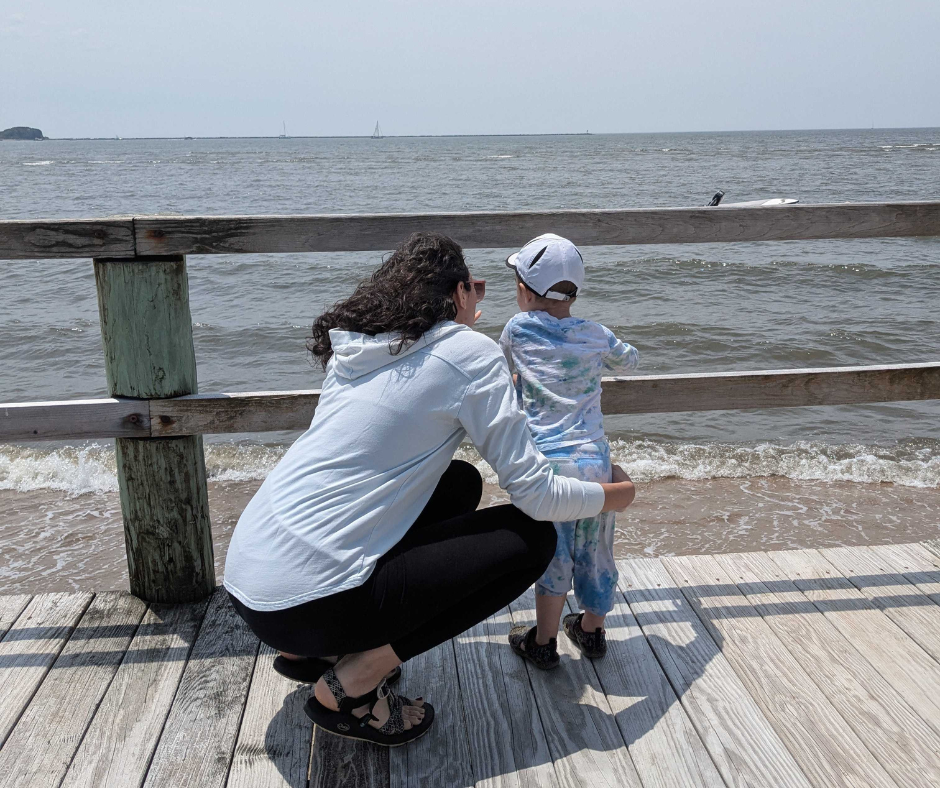
I work full-time. I’m a mom. And thanks to remote work, I don’t have to choose between the two.
Before I became a parent, I didn’t fully grasp how much of a privilege flexibility could be. But now, on the eve of my son’s third birthday, I’m not reflecting on what I missed—I’m celebrating everything I got to be a part of.
First smiles.
First steps.
First words.
I’ve been there for it all. And still, I’ve grown in my career, contributed financially to my household, and shown up fully for my team.
That’s the magic of remote work—no long commute— no rushing out the door with a baby on my hip and a laptop in my bag, worrying about what I am forgetting, worrying about rush-hour traffic, worrying about making it to a meeting on time. I log off a meeting and walk into the next room for a lunchtime hug. I get to close out a big project and hear my son giggling down the hall. That kind of balance feels magical.
But here’s the thing—this isn’t just a personal win. It’s a powerful, strategic benefit for organizations, too. When companies embrace remote or hybrid work, they’re not just offering convenience. They’re creating access. They're expanding the talent pool to include people who might otherwise be pushed out—parents, caregivers, folks with disabilities, people without the means to live near major office hubs.
Who steps back when work isn’t flexible?
Families are built in many different ways, and any parent or caregiver can end up scaling back or stepping out of paid work when care needs spike. But because of long-standing norms and policies, that burden still falls more heavily on women and mothers on average.
Those pauses are not just “time away.” They often mean missed promotion cycles, lost seniority, and slower wage growth—key years that can shape a whole career. Researchers call this the motherhood penalty: the pattern where people who become mothers experience reduced pay and fewer opportunities compared with women without children and men of any parental status. Because fathers do not experience the same penalty—and sometimes even see a wage bump—these interruptions are a major driver of the gender pay gap.
How remote work can interrupt that pattern
Remote and flexible work don’t just help individual parents feel more balanced; they can keep more caregivers in the workforce and in the advancement pipeline. According to a 2025 national survey by Catalyst of U.S. women who left the workforce, 42% cited caregiving responsibilities and the cost of child care as the strongest factors behind their decision to step away from paid work. When work is rigid and rooted in traditional office norms, people who shoulder more caregiving are the first to be squeezed out.
Flexible and remote options give families more ways to share care, regardless of family structure. When a parent can shift hours around school pick-up or a caregiver can work around medical appointments, they’re more likely to stay employed rather than step away for years at a time. Fewer forced exits mean fewer long career gaps, which means less fuel added to the gender pay gap over time.
Flexibility is equity. And it’s freedom. When we let people work in the ways that fit their real lives, they don’t just stay—they thrive. They bring creativity, commitment, and capacity because they’re not constantly torn between home and work. They’re allowed to be whole people.
So as I sit here, getting a little teary thinking about how fast my baby is growing, I’m also feeling deeply grounded. I’m not missing out. And I’m not just making it work—I’m doing work I am passionate about, in a way that works for me AND my family.
That’s not a compromise. That’s progress.
Click here for an example remote work policy you can adapt for your organization.
.png)


-1-2-1.png "Untitled design (20)-1-2-1")